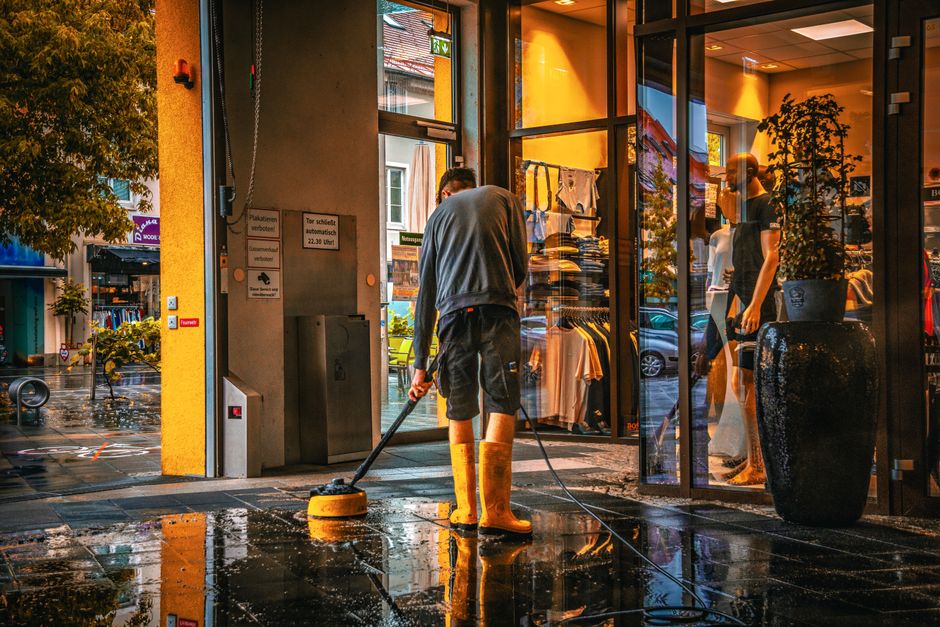
Commercial cleaning guide West Brompton station shops and cafes

If you run a shop or cafe near West Brompton station, you already know the rhythm of the area: commuters in a rush, takeaway cups, wet-weather footprints, the odd burst of lunchtime traffic, and a constant need to look presentable. This Commercial cleaning guide West Brompton station shops and cafes is here to help you keep standards high without making cleaning feel like a daily headache. It is not just about appearance, either. Cleanliness affects hygiene, customer confidence, staff morale, and the life of your fixtures and flooring. In a busy London setting, little details matter more than people sometimes admit.
Below, you will find a practical, local-minded guide to what works, what to avoid, and how to build a cleaning routine that fits the way station-area retail and hospitality spaces actually operate.
Why Commercial cleaning guide West Brompton station shops and cafes Matters
West Brompton sits in that busy sweet spot where convenience, footfall, and first impressions collide. A customer might notice your window, your doorway, your counter, and your floor in the space of five seconds. If the place feels dusty, sticky, or a bit tired, they may quietly decide the coffee will not be quite as good. Harsh? Maybe. True? Also yes.
For shops and cafes near a station, cleaning is not a background task. It supports sales, repeat visits, staff safety, and the general sense that your business is well run. Mud, rainwater, and litter build up fast around transport hubs, especially during wetter months and peak travel times. A doormat alone is not the hero here, sadly.
Commercial cleaning in this setting also has to work around real business pressure. You may open early, close late, and have only short windows for maintenance. That means your cleaning plan needs to be efficient, predictable, and realistic. Not glossy on paper. Realistic in the morning rush, when the grinder is on, the till queue is building, and someone has just tracked in half of Chelsea on their shoes.
There is also a trust factor. Clean tables, tidy skirting boards, smell-free waste areas, and polished glass send a quiet signal that you care. For cafes especially, that signal matters just as much as the menu board.
How Commercial cleaning guide West Brompton station shops and cafes Works
Good commercial cleaning is usually a mix of routine, method, and timing. You do not need every task every day, but you do need the right task at the right frequency. That is the real trick. The aim is to keep visible areas spotless, hidden areas controlled, and hygiene risks properly managed.
For station-area shops and cafes, a sensible cleaning system usually covers:
- Daily front-of-house cleaning for floors, counters, tables, glass, and touchpoints
- Back-of-house sanitation for prep areas, sinks, staff spaces, and waste handling
- Periodic deep cleaning for hard-to-reach dirt, grease, floor build-up, upholstery, and detailed fixtures
- Specialist cleaning tasks such as window cleaning, hard floor cleaning, or upholstery cleaning where relevant
In practice, the process starts with a site walk-through. What surfaces collect grime fastest? Where do customers wait? What gets splashed, brushed, or touched most often? Once you know that, you can assign frequency and product choice instead of cleaning everything the same way. That would be overkill in some places and not enough in others.
For example, a small cafe with eight tables and a pastry display needs a different approach from a compact convenience shop with a tiled entrance and high-touch fridge handles. Same area, different cleaning realities. You feel that difference straight away when you step inside.
Where a business uses professional help, the cleaning company should normally work to a clear specification. That should include what is cleaned, when, how, and by whom. A good provider will also be able to adapt if your rush hours shift seasonally or your layout changes.
Key Benefits and Practical Advantages
There is no single reason businesses invest in commercial cleaning. It is usually a stack of small advantages that add up quickly.
A better customer experience
People notice clean glass, fresh-smelling interiors, and uncluttered service areas. In a station location, that can make the difference between a quick sale and someone walking past to the next option down the street.
Lower wear and tear
Dust, grit, and spilled liquids do not just look bad. They wear down flooring, dull surfaces, and shorten the life of fittings. Regular cleaning helps protect your investment, especially on entrance mats, tiles, and shopfront glass.
Improved hygiene control
Cafes and food-adjacent businesses benefit from tighter hygiene routines. Even where the mess is mostly visible, the invisible side matters just as much. Grease film, limescale, crumbs in corners, and hidden residue can creep up fast if left alone.
Better working conditions for staff
Staff work better in a tidy environment. That is not a motivational slogan; it is just how humans operate. Clean prep areas reduce friction, reduce slips, and make opening and closing less chaotic.
More consistent brand perception
A clean business looks intentional. A messy one looks tired, even if the products are excellent. Fair or not, customers often judge quality through the environment first.
| Benefit | What it means in practice | Why it matters near West Brompton station |
|---|---|---|
| Visual appeal | Shiny floors, clear windows, tidy counters | Footfall moves quickly, so first impressions happen fast |
| Hygiene control | Less residue on touchpoints and prep surfaces | Busy customer flow increases contact and contamination risk |
| Asset protection | Less damage to flooring, fittings, and fabrics | High use and weather exposure can accelerate wear |
| Operational ease | Clear routines for opening, close-down, and maintenance | Small teams need cleaning to be quick and dependable |
Who This Is For and When It Makes Sense
This guide is useful for a broad mix of businesses around West Brompton station, but it is especially relevant if you operate one of the following:
- A coffee shop or independent cafe
- A takeaway counter or sandwich bar
- A convenience store or small retail shop
- A bakery, dessert shop, or light food business
- A salon or service business with customer-facing floorspace
- A mixed-use premises where front-of-house presentation is critical
It makes particular sense if your team is small and already stretched. Let's face it, most small businesses near busy transport links are not running with spare capacity everywhere. Cleaning then becomes one of those jobs that gets squeezed unless it is properly planned.
You may also need a more structured cleaning arrangement if you are seeing any of these signs:
- Floors are losing their finish quickly
- Windows look smeared by midday
- Touchpoints feel greasy or sticky
- Waste areas smell before close-down
- Staff are improvising rather than following a set routine
Truth be told, that is usually the point where the business starts wasting time. A little structure brings calm back into the day.
Step-by-Step Guidance
If you want a cleaning approach that actually works, build it in stages. That is far better than buying random products and hoping for the best.
1. Map the space by risk and visibility
Start by dividing the premises into zones: entrance, customer area, till point, prep area, toilet, staff area, storage, and waste zone. Which areas are seen first? Which ones get dirty fastest? Which ones matter most for hygiene? These are not always the same thing.
2. Set cleaning frequencies
Some tasks need doing during service, others after close, and some weekly or monthly. For example, tables and counters may need repeated attention throughout the day, while skirting boards or high-level dusting can be scheduled less often.
3. Choose the right products and methods
Not every surface wants the same treatment. A glass door, a sealed timber counter, a tiled floor, and a fabric chair all need different care. Using the wrong product can dull finishes, leave residue, or damage materials. It happens more than you think.
4. Build a clear opening and closing routine
Short checklists help staff clean the essentials without guessing. In a cafe, for instance, the end-of-day routine might include clearing crumbs, wiping machines, sanitising food-contact surfaces, mopping floors, emptying waste, and checking toilets. In a shop, the focus may be on entrance mats, point-of-sale areas, mirrors, and display plinths.
5. Schedule deeper work before problems become visible
Do not wait for grime to become obvious. By the time a floor looks dull or a grout line goes grey, the build-up has usually been there a while. Periodic deep cleaning keeps the space presentable and reduces the need for crisis cleanups.
6. Review the plan against actual trade patterns
Cleaning should follow trade, not theory. If Friday evenings are busier than Monday mornings, adjust the schedule. If rain causes dirty entrance mats every week, increase attention there. Small changes make a big difference.
7. Keep records that are simple enough to use
A cleaning log does not need to be fancy. It just needs to show what was done, when, and by whom. That helps with consistency and gives you a useful reference if an issue arises.
Expert summary: the best cleaning systems for station-area shops and cafes are the ones that are boring in a good way. Predictable, repeatable, and quick to check. Nothing glamorous. Very effective, though.
Expert Tips for Better Results
These are the little things that separate a decent cleaning routine from one that really holds up under pressure.
- Use entrance control properly. A mat, a quick sweep, and regular floor attention can reduce how much grit gets dragged through the space.
- Clean top to bottom. Dust falls. It is annoyingly loyal like that. Start high and work down so you are not redoing tasks.
- Match products to traffic. High-use areas may need faster-drying, residue-light solutions so service can continue.
- Pay attention to edges and corners. Customers notice the centre of the floor first, but grime often hides at the margins.
- Keep microfibre cloths colour-coded. This helps avoid cross-use between toilets, food areas, and customer surfaces.
- Refresh seating and soft furnishings regularly. In cafes especially, chairs and banquettes quietly collect smells, stains, and dust.
One useful habit is a two-minute "walk and look" before opening. Stand at the doorway, then behind the counter, then where customers queue. What catches your eye? What would you notice if you were arriving for the first time with a coffee in hand and no time to spare? That little reset catches more issues than a rushed checklist ever will.
If you use outside help, ask how the team handles rush-hour timing, local access, and security. The best cleaners do not just scrub surfaces; they fit around your business without becoming a nuisance.
Common Mistakes to Avoid
Most cleaning problems in small commercial premises are not dramatic. They are the result of a few repeated missteps.
- Cleaning only when dirt is visible. By then, some of the damage is already done.
- Using one routine for everything. A sales floor and a food prep counter do not need the same approach.
- Ignoring high-touch points. Door handles, card machines, menus, fridge handles, and taps collect grime quickly.
- Leaving waste too long. Bins can become odour hotspots very quickly in warmer rooms or compact spaces.
- Over-wetting floors or fabrics. This can cause slip risk, damage, or lingering smells.
- Not training staff on basics. A cloth used everywhere is not efficiency. It is a problem waiting to happen.
Another common issue is assuming professional cleaning can replace daily housekeeping. It cannot. Even the best contractor needs a business that keeps day-to-day standards in place. Professional cleaning supports the routine; it does not magically eliminate it. Wouldn't that be nice, though?
Tools, Resources and Recommendations
You do not need an overly complicated kit to keep a small shop or cafe in good shape. In fact, over-complication often slows everything down.
Useful essentials include:
- Microfibre cloths for dusting and wiping
- A reliable vacuum or floor machine suited to your floor type
- Neutral cleaners for general surfaces
- Food-safe sanitising products where appropriate
- Scrapers or soft pads for stubborn marks, used carefully
- Colour-coded cleaning materials to reduce cross-contamination
- Entrance mats that can actually trap dirt, not just look polite
For specialist work, it can be sensible to use dedicated services rather than trying to improvise. If carpets near the entrance are getting flattened and marked, a proper carpet cleaning or occasional deep cleaning visit may be more effective than routine vacuuming alone. If the business uses fabric seating, upholstery cleaning can help keep the room fresher for longer.
Glass frontage matters too. In a station area, smudges show up fast, especially in morning light. That is why window cleaning often has an outsized effect on perceived quality. People genuinely notice. Usually before they know they have noticed.
Law, Compliance, Standards, or Best Practice
Cleaning for shops and cafes is not just about presentation. There are also practical duties around safety, hygiene, and responsible operations. The exact requirements depend on the type of business you run, the materials on site, and how food or customer areas are used, so it is sensible to avoid sweeping claims.
At a basic level, you should be thinking about:
- Health and safety for staff and customers, especially around slips, trips, and manual handling
- Food hygiene good practice where preparation, storage, or serving is involved
- Proper chemical use with clear dilution, storage, and training
- Waste handling to avoid smell, pests, and fire risk
- Insurance awareness so any contractor or cleaner is suitably covered for the work they do
If you work with a professional cleaning company, ask for clear information on procedures and safeguards. A strong provider should be able to explain its health and safety policy, outline its insurance and safety arrangements, and show how it handles issues such as access, chemicals, and incident reporting.
It is also sensible to understand the basics of sustainability, especially if you want to reduce waste or choose lower-impact methods. Many businesses now ask about recycling, water use, and product choice. That does not mean perfection is required. It means the cleaner should be able to work sensibly and transparently.
If a contractor supplies terms, pricing, or service expectations, read them. A bit dull, yes, but useful. That said, a sensible business owner only has so many spare hours in the day. We get it.
Options, Methods, or Comparison Table
For shops and cafes near West Brompton station, the main cleaning options usually fall into three broad categories: in-house cleaning, scheduled professional cleaning, and one-off specialist visits. Each has its place.
| Approach | Best for | Pros | Watch-outs |
|---|---|---|---|
| In-house daily cleaning | Opening, closing, and ongoing touch-up tasks | Fast response, low friction, easy to tailor | Can be inconsistent without training and supervision |
| Scheduled professional cleaning | Recurring maintenance and deeper standardisation | Reliable finish, less pressure on staff, better coverage | Needs a clear brief and access plan |
| One-off specialist cleaning | Deep cleans, post-event resets, problem areas | Useful for stubborn dirt or seasonal refreshes | Not a substitute for regular upkeep |
In many real-world settings, the best answer is a blend. Staff handle the routine, while a contractor handles periodic specialist work such as hard floors, carpets, glass, or upholstery. That approach usually offers the best balance of control and consistency.
Cost is not just a price list issue either. A cheaper cleaning arrangement that misses key tasks can create hidden expense through damage, customer complaints, or staff time spent firefighting. The lowest quote is not always the best value. Not even close, sometimes.
Case Study or Real-World Example
Here is a realistic scenario. Imagine a small cafe near West Brompton station with a handful of indoor tables, a service counter, and a narrow frontage that picks up street dust and rainwater. The team opens early for commuters and sees another rush around lunchtime. By afternoon, the entrance mat is damp, the floor near the counter has small sticky spots, and the front window has fingerprints that look worse as the light changes.
At first, the team tries to keep up with quick wipes and sweeping. It works for a while. Then the details start slipping: the same cloth gets used too widely, the floor gets mopped too late, and the front glass does not get attention until it is already looking tired.
The fix is not complicated. The business splits cleaning into small, repeatable tasks: entrance checks every few hours, countertop wipe-downs after peak rushes, a proper closing clean each day, and a weekly deeper reset for floor edges, skirting, and seating. A periodic specialist clean is added for the upholstery and front glass. Nothing dramatic. Just organised.
After a few weeks, the staff stop improvising, the cafe looks more settled, and the front of house feels calmer. Customers may not comment, but they notice. They always do. And honestly, that quiet confidence is worth a lot in a competitive station location.
Practical Checklist
Use this checklist to sense-check your current cleaning setup. If several boxes are hard to tick, it may be time to tighten the system.
- Entrance area cleaned and checked throughout the day
- Windows, doors, and visible glass kept free of smears
- Counters, tables, and card machines wiped regularly
- Floors cleaned to suit the traffic and floor type
- Waste removed before it becomes an odour issue
- Toilets and wash areas checked on a set schedule
- Food-contact surfaces handled with proper hygiene care
- Cleaning materials labelled and stored safely
- Staff know what to do at opening and close-down
- Deep cleaning tasks scheduled before build-up becomes visible
- Specialist tasks assigned where in-house cleaning is not enough
- Cleaning records kept simple but consistent
Quick takeaway: if your cleaning routine depends on someone remembering everything from memory, it will eventually wobble. A short checklist steadies the whole operation.
Conclusion
A solid commercial cleaning approach for West Brompton station shops and cafes is really about control: control of presentation, hygiene, timing, and customer perception. In a busy transport-linked area, the little things matter more than the brochure version of your business. Clean windows, fresh floors, tidy counters, and well-kept waste areas help your place feel dependable from the moment someone steps through the door.
The good news is that you do not need an overcomplicated system. You need a practical one. Build around your busiest times, focus on the surfaces people actually notice, and use specialist help where it adds real value. That is usually where the best results come from.
Get a free quote today and see how much you can save.
And if you keep the routine simple enough that your team can actually follow it, you are already ahead of the game. A clean, calm space has a way of lifting the whole day.
Frequently Asked Questions
What does commercial cleaning for West Brompton station shops and cafes usually include?
It normally includes daily surface cleaning, floor care, glass cleaning, waste removal, touchpoint sanitising, and periodic deeper work. For cafes, it also needs to support food hygiene routines and back-of-house cleanliness.
How often should a small cafe near a station be cleaned?
High-touch and customer-facing areas usually need attention several times a day, especially during busy periods. Deeper cleaning may happen weekly or monthly depending on traffic, layout, and the type of surfaces in use.
Is in-house cleaning enough for a shop or cafe?
Sometimes yes, but only if staff are trained and the routine is well structured. Many businesses use a mix of in-house daily tasks and professional periodic cleaning for better consistency.
What is the most important area to clean first?
The entrance, counters, and customer-facing touchpoints are often the highest priority because they shape first impressions and collect dirt quickly. In cafes, prep and food-contact surfaces are just as important.
How can I stop floors from getting dirty so quickly?
Use proper entrance mats, clean spills quickly, vacuum or sweep at the right frequency, and schedule floor care based on the traffic your space actually gets. A little prevention goes a long way.
Do I need specialist cleaning for carpets or upholstery?
If carpets, chairs, or banquettes are starting to look dull, smell tired, or hold marks, specialist cleaning is usually worthwhile. Routine vacuuming alone often is not enough in busy commercial spaces.
What should I ask a cleaning company before hiring them?
Ask what tasks are included, how often they will be done, what products they use, how they handle insurance and safety, and whether they can work around your opening hours. Clear answers matter more than polished sales talk.
Can commercial cleaning be done outside trading hours?
Yes, and in many cases that is the best option. Early mornings, evenings, or closed periods often work well because cleaning can be done without interrupting customers or staff flow.
How do I know if my current cleaning routine is not good enough?
If the space looks tired by midday, smells build up, floors lose their finish, or staff are constantly fixing the same issues, the routine probably needs attention. Repeated small problems usually point to a system problem, not just a one-off mess.
Is a deep clean the same as regular cleaning?
No. Regular cleaning maintains day-to-day standards, while deep cleaning deals with accumulated dirt, hidden build-up, and areas that are not cleaned as often. Both matter, but they serve different purposes.
Do I need a cleaning log for a small shop or cafe?
It is a very good idea, even if it is simple. A short log helps with consistency, accountability, and handovers between staff. It also makes it easier to spot patterns when something keeps going wrong.
What is the best way to keep a cafe looking fresh all day?
Break the day into cleaning moments instead of waiting until closing time. Quick resets after rushes, regular table wipes, prompt spill response, and a clean entrance make a noticeable difference. Small actions, done often, tend to win.